How Dress Etiquette Reflected The Culture Of Historic Gaming Houses
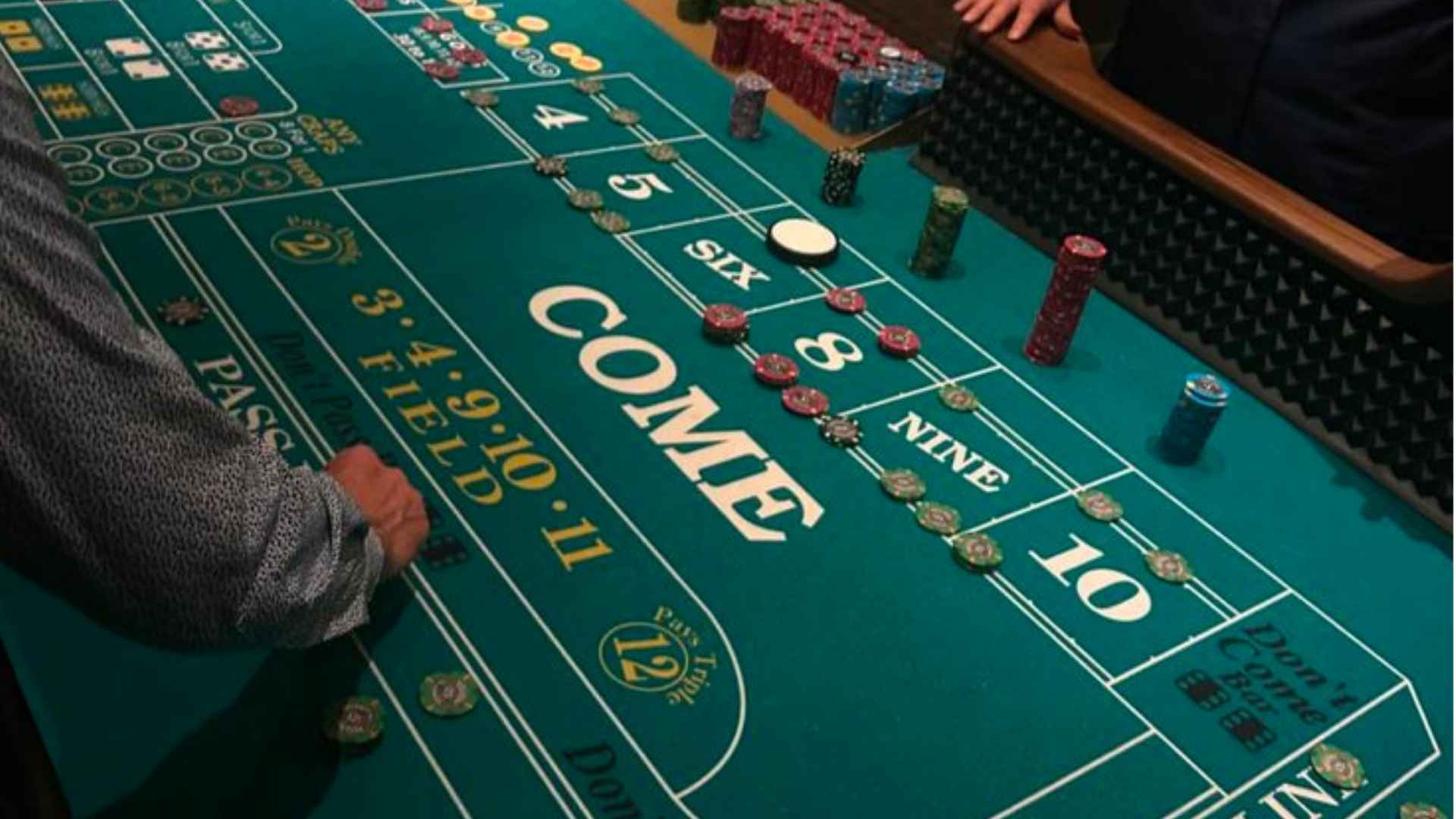
The sartorial choices of patrons in historic European gaming houses served as a direct reflection of the rigid social hierarchies and cultural expectations of their respective eras. During the eighteenth and nineteenth centuries, stepping into an exclusive gambling salon required a meticulous adherence to formal dress codes that signaled wealth, status, and respectability. Clothing was not merely a matter of personal style but a crucial instrument for maintaining order and mutual trust among high-stakes participants.
Sartorial Codes as Social Filters in Early Salons
In the grand gaming halls of nineteenth-century France and England, strict dress codes functioned as an informal vetting system for prospective players. Men were expected to wear tailored evening coats, formal waistcoats, and precisely tied cravats, while women donned elegant gowns crafted from luxurious silks and velvets. This requirement effectively barred lower-class individuals from entering, ensuring that the environment remained exclusive to the aristocracy and wealthy elite who could afford such attire.
Beyond basic exclusion, these elaborate garments established an atmosphere of shared refinement that influenced behavioral expectations around the card tables. When every participant was dressed in the finest apparel of the era, it reinforced a collective agreement to uphold gentlemanly conduct and quiet decorum during intense rounds. The visual presentation of the room mirrored the sophisticated nature of the games themselves, transforming a baseline activity of chance into an esteemed cultural ritual.
The Psychology of Elegance and Financial Trust
Historic gaming houses operated heavily on reputation and personal accountability, making visual representations of wealth essential for establishing mutual trust. A player's attire served as an immediate, non-verbal guarantee of their financial solvency and ability to cover substantial wagers. Wearing pristine, expensive garments signaled to the house and other participants that the individual belonged to a class capable of handling high-stakes risk.
This environmental emphasis on presentation created a unique psychological dynamic where chaotic behavior was subdued by formal expectations. Modern enthusiasts who wish to explore the digital evolution of these classic gaming environments can utilize a secure m88 link to access contemporary platforms. While digital spaces prioritize convenience over physical attire, historic venues relied entirely on face-to-face visual cues to maintain operational integrity and trust.
The Evolution Toward Accessibility and Casual Attire
As the cultural landscape shifted into the mid-twentieth century, the traditional link between elite status and mandatory formal wear began to weaken. The rise of larger commercialized venues created a more democratic environment where a broader audience could participate in table entertainment. Consequently, rigid requirements like tuxedos and formal gowns slowly gave way to smart-casual options such as sports jackets and cocktail dresses.
This sartorial transition mirrored a broader societal shift toward accessibility and the institutionalization of entertainment spaces. While some exclusive private clubs retained their traditional codes to preserve a historic atmosphere, the global industry largely adapted to modern lifestyle preferences. Today, analyzing the dress etiquette of early gambling houses provides valuable historical insight into how clothing once structured elite social interactions and regulated financial communities.